#IMU
 Construction Machinery Engineering
September 7, 2026
Construction Machinery Engineering
September 7, 2026
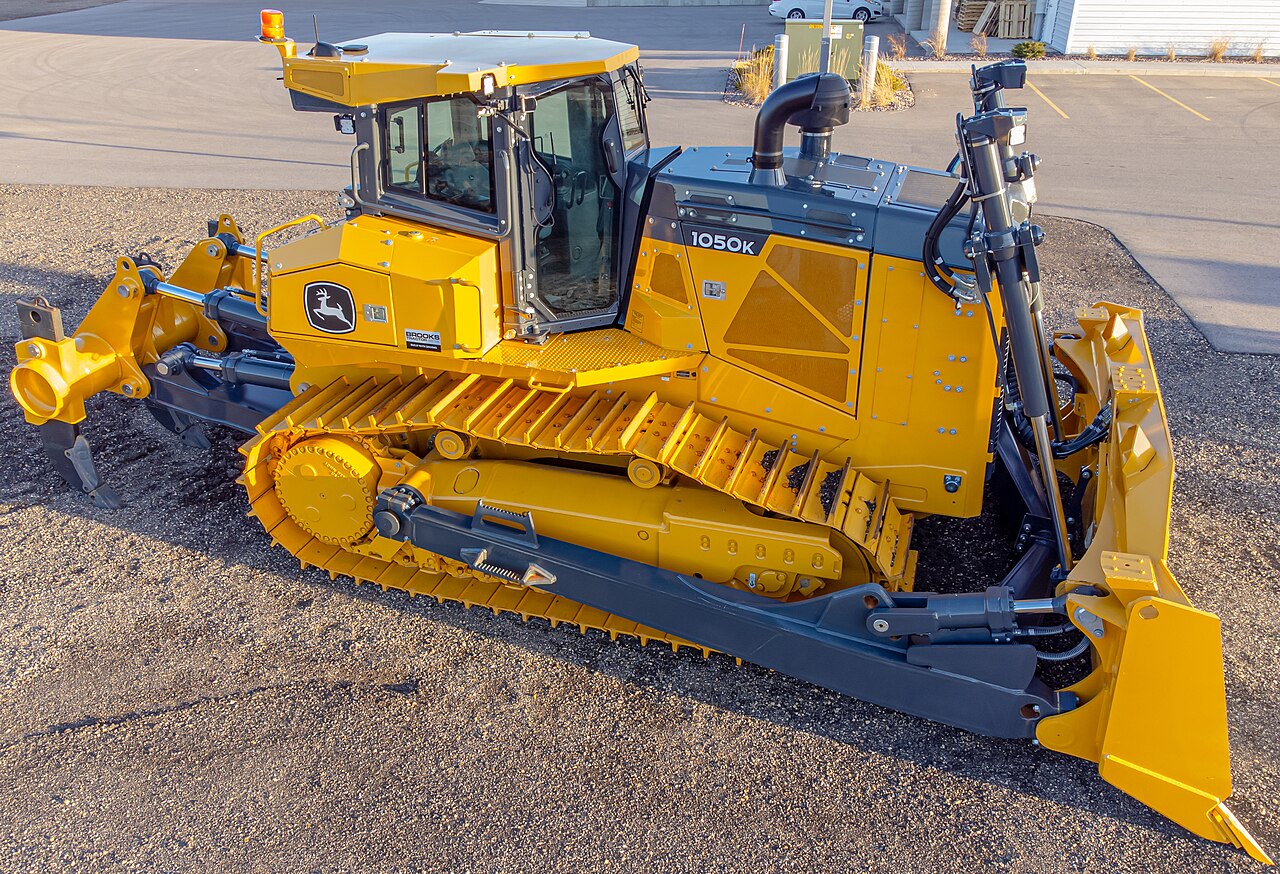
Bulldozer 101 — Understanding Crawler Traction and Blade Control
A bulldozer is a machine that unifies control of its earth-pushing blade and crawlers through hydraulics and the drivetrain. This article organizes ground pressure, traction force, blade attitude, GNSS/IMU-based ICT construction, the design thinking behind Komatsu's D61/D65 series and Caterpillar's D6 XE, and research into electrification and autonomous leveling — through both equations and a field perspective.
Fundamentals · 6 min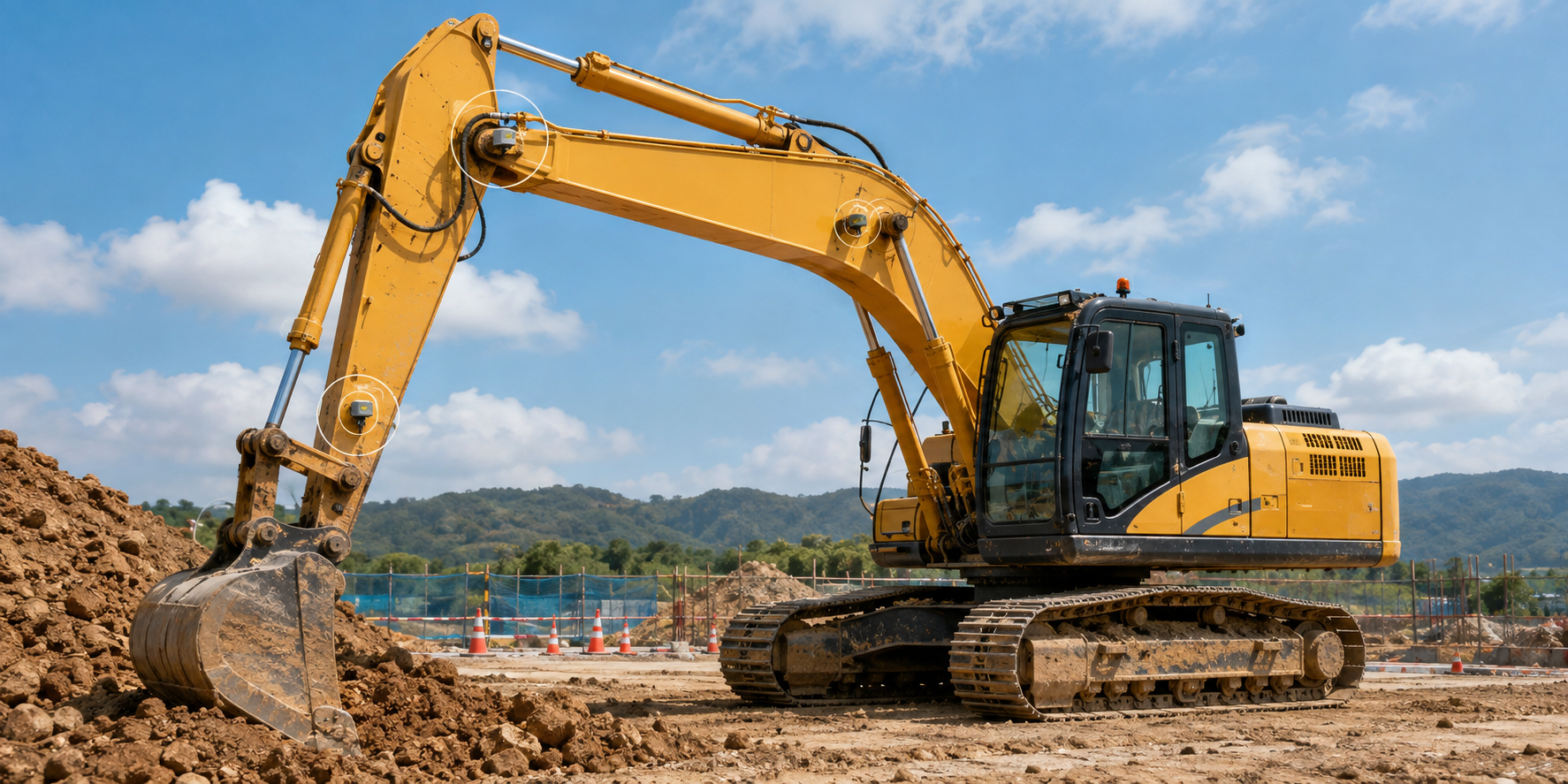 Construction Machinery Engineering
September 7, 2026
Construction Machinery Engineering
September 7, 2026
Hydraulic Excavators — Understanding Boom, Arm, and Planetary Gears Through Sensors and Equations
A hydraulic excavator is a mobile robot that distributes the rotation of a diesel engine to hydraulic pumps, cylinders, and reduction gears. This article diagrams the kinematics of the boom, arm, and bucket, bucket-edge estimation via IMU, the planetary gears in the upper structure and undercarriage, current ICT/electrification efforts from Komatsu and Caterpillar, and ongoing research into autonomous excavation.
Fundamentals · 9 min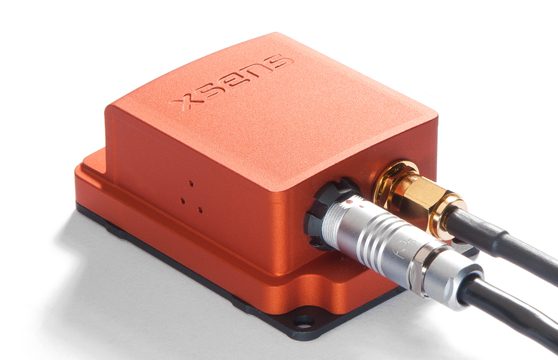 Robotics Primer
September 7, 2026
Robotics Primer
September 7, 2026
VIO/LIO Primer — Combining an IMU with a Camera or LiDAR for Self-Localization
A camera alone, or a LiDAR alone, breaks down in certain situations. Combining either sensor with an IMU (accelerometer + gyroscope) covers for that weakness -- this is what VIO (Visual-Inertial Odometry) and LIO (LiDAR-Inertial Odometry) do. Starting from why an IMU alone cannot recover position, this article works through the two design philosophies -- Filter-based and Optimization-based -- and the landmark algorithms from ROVIO, OKVIS, VINS-Mono, and OpenVINS through LIO-SAM and FAST-LIO2.
Fundamentals · 16 min
Robotics Primer
September 6, 2026
Sensor Fusion Primer — Building One World Model From Many Sensors
A camera is strong on meaning, a LiDAR is strong on geometry, an IMU is strong on motion — and each has its own blind spot. From the probabilistic and optimization-based math that fuses them (Kalman Filters, Factor Graphs) to concrete pairings like VIO (Camera×IMU), LIO (LiDAR×IMU), and BEV Fusion (Camera×LiDAR), a systematic tour of how Sensor Fusion turns several sensors into a single world model.
Fundamentals · 15 min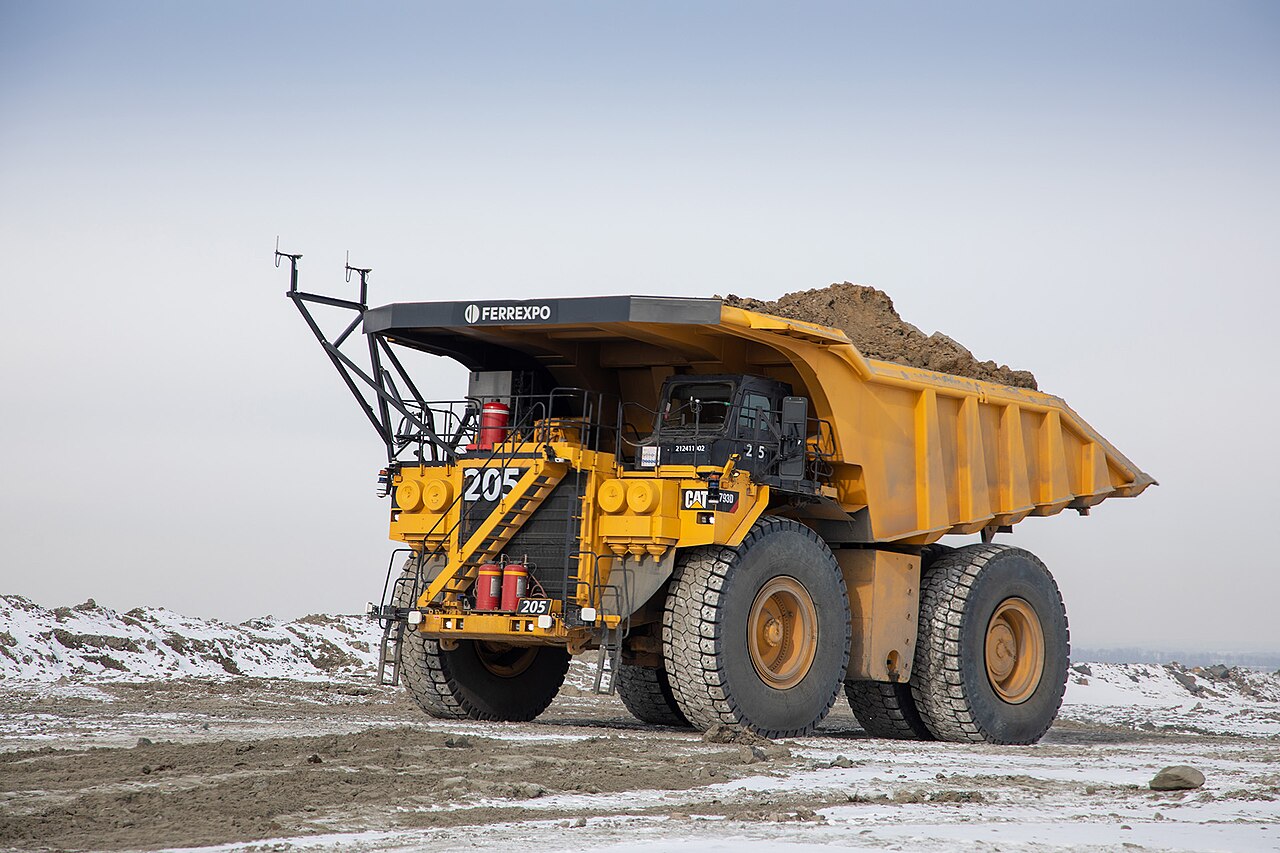 Construction Machinery Engineering
September 4, 2026
Construction Machinery Engineering
September 4, 2026
Construction Machinery Automation and Remote Control 101 — From i-Construction to Autonomous Haulage in Mines
Construction-machinery automation has advanced in stages: machine guidance, which measures blade-edge position with GNSS and IMU; remote operation, piloting by radio from a safe distance in hazardous zones; and autonomous haulage systems now running at mines and quarries. This article organizes MLIT's i-Construction policy, the history of unmanned construction dating back to Mt. Unzen-Fugendake, and the current track record of Komatsu's FrontRunner AHS and Caterpillar Command.
Fundamentals · 8 min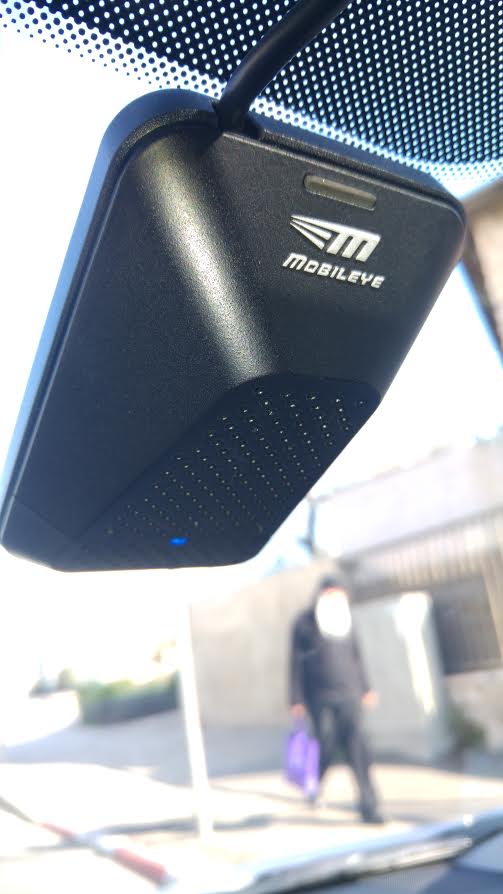 Computer Vision Primer
September 3, 2026
Computer Vision Primer
September 3, 2026
VO/VIO Primer — A Practical Foundation for Estimating Motion from a Camera and an IMU
Visual Odometry (VO) and Visual-Inertial Odometry (VIO) estimate the relative motion of a robot or camera from a sequence of images and inertial measurements. This article works through monocular scale ambiguity, IMU preintegration, initialization, filtering versus optimization, implementations such as VINS-Mono and OpenVINS, evaluation metrics, and failure conditions, with math and diagrams.
Fundamentals · 17 min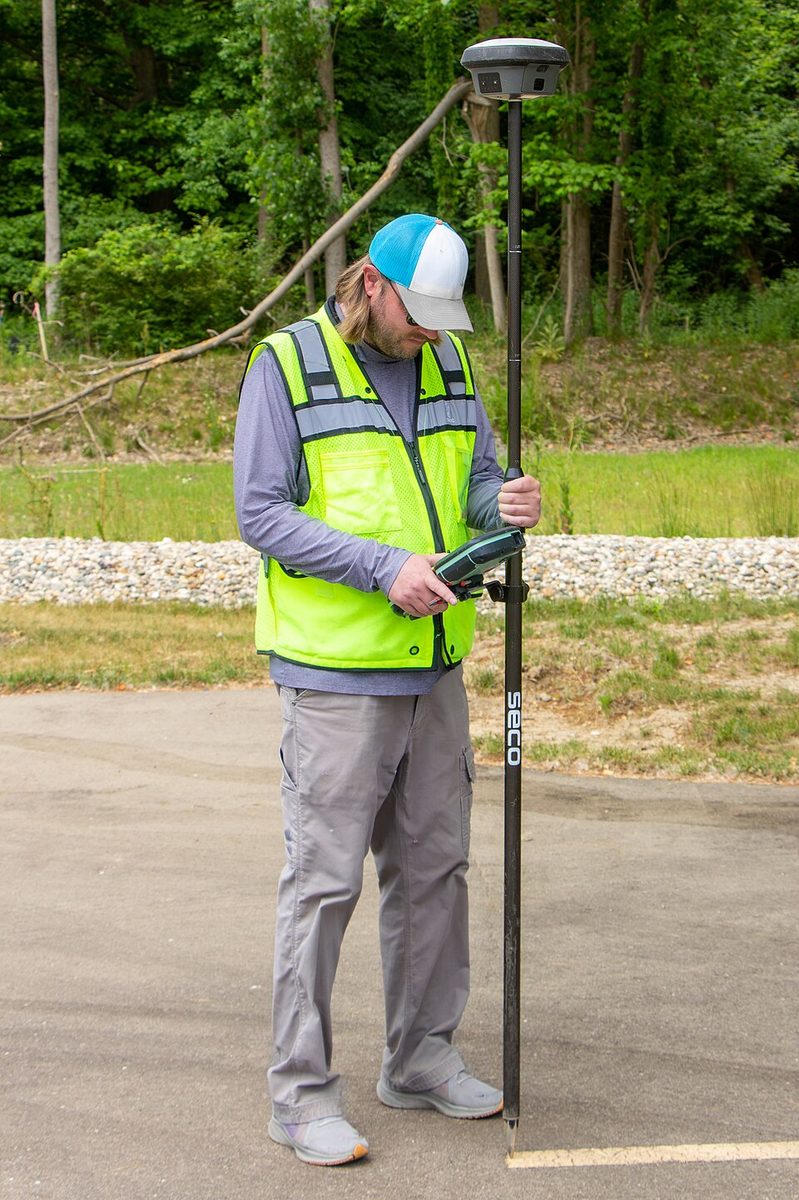 Robotics Primer
September 3, 2026
Robotics Primer
September 3, 2026
Dead Reckoning Primer — Integrating Wheels, IMU, and GNSS to Track a Robot's Motion
Dead reckoning is the foundational technique of updating a robot's pose and position by integrating wheel rotation, IMU readings, and velocity sensors. This article covers differential-drive kinematics, accumulating error, EKF-based correction, and implementations in indoor transport robots and autonomous driving, with equations and diagrams.
Fundamentals · 5 min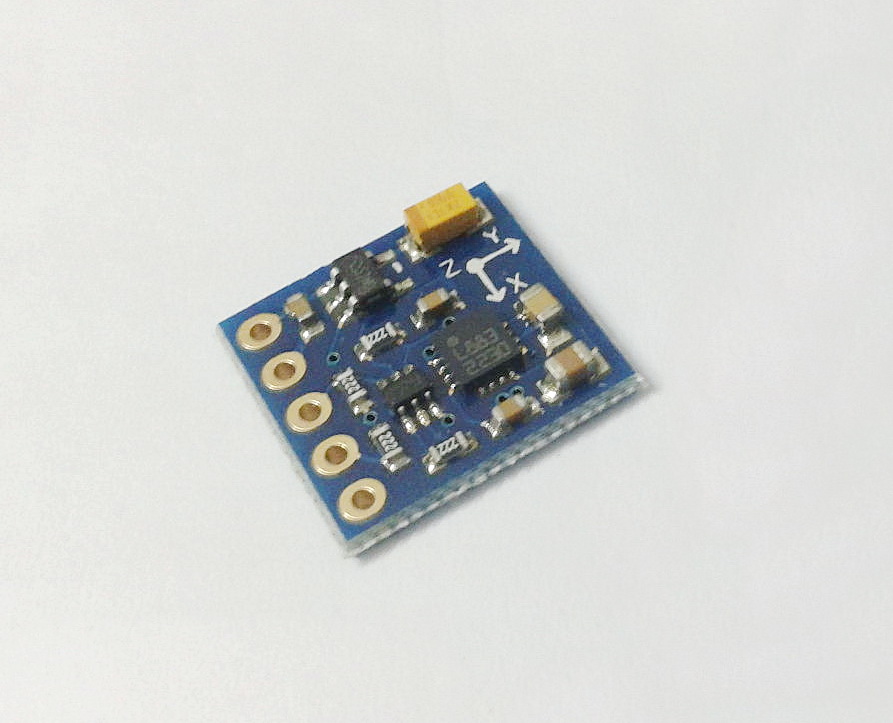 Sensors & Hardware
September 3, 2026
Sensors & Hardware
September 3, 2026
How Magnetometers Work and the Key Products — Bosch, ST, Honeywell
The magnetometer, which senses the direction of Earth's magnetic field to derive heading, is the one sensor that keeps returning an absolute-direction external reference as long as it has power — from a smartphone's electronic compass, to yaw-angle correction on a drone, to attitude control on a CubeSat. This article lays out the four underlying physical principles — the Hall effect, AMR, GMR, and fluxgate — compares real chip specs across the Bosch BMM150, STMicroelectronics LIS3MDL, and Honeywell HMC5883L, covers hard-iron/soft-iron error and its calibration, AHRS sensor fusion with an IMU, and the technology's history from ore prospecting through WWII submarine hunting and lunar exploration to today's CubeSat attitude control.
Fundamentals · 14 min
Sensors & Hardware
August 10, 2026
How IMUs Work and Key Products — Xsens, Bosch, Analog Devices
An IMU pairs an accelerometer with a gyroscope to directly sense a vehicle's own translational acceleration and rotational rate. Unlike cameras or LiDAR, it depends on nothing external — but that self-containment comes with an inescapable fate: error accumulates over time (drift). We work through the MEMS gyroscope principle, Allan-variance noise analysis, the grading scale from consumer chips to navigation-grade modules, and Xsens's MTi series product strategy.
Fundamentals · 10 min