#Bosch
 Sensors & Hardware
September 3, 2026
Sensors & Hardware
September 3, 2026
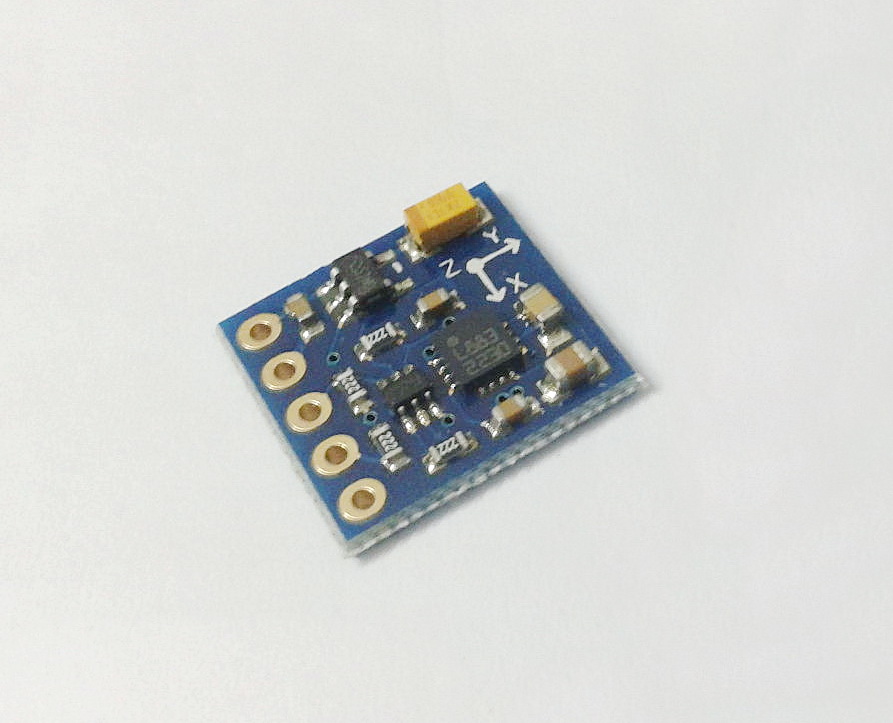
How Magnetometers Work and the Key Products — Bosch, ST, Honeywell
The magnetometer, which senses the direction of Earth's magnetic field to derive heading, is the one sensor that keeps returning an absolute-direction external reference as long as it has power — from a smartphone's electronic compass, to yaw-angle correction on a drone, to attitude control on a CubeSat. This article lays out the four underlying physical principles — the Hall effect, AMR, GMR, and fluxgate — compares real chip specs across the Bosch BMM150, STMicroelectronics LIS3MDL, and Honeywell HMC5883L, covers hard-iron/soft-iron error and its calibration, AHRS sensor fusion with an IMU, and the technology's history from ore prospecting through WWII submarine hunting and lunar exploration to today's CubeSat attitude control.
Fundamentals · 14 min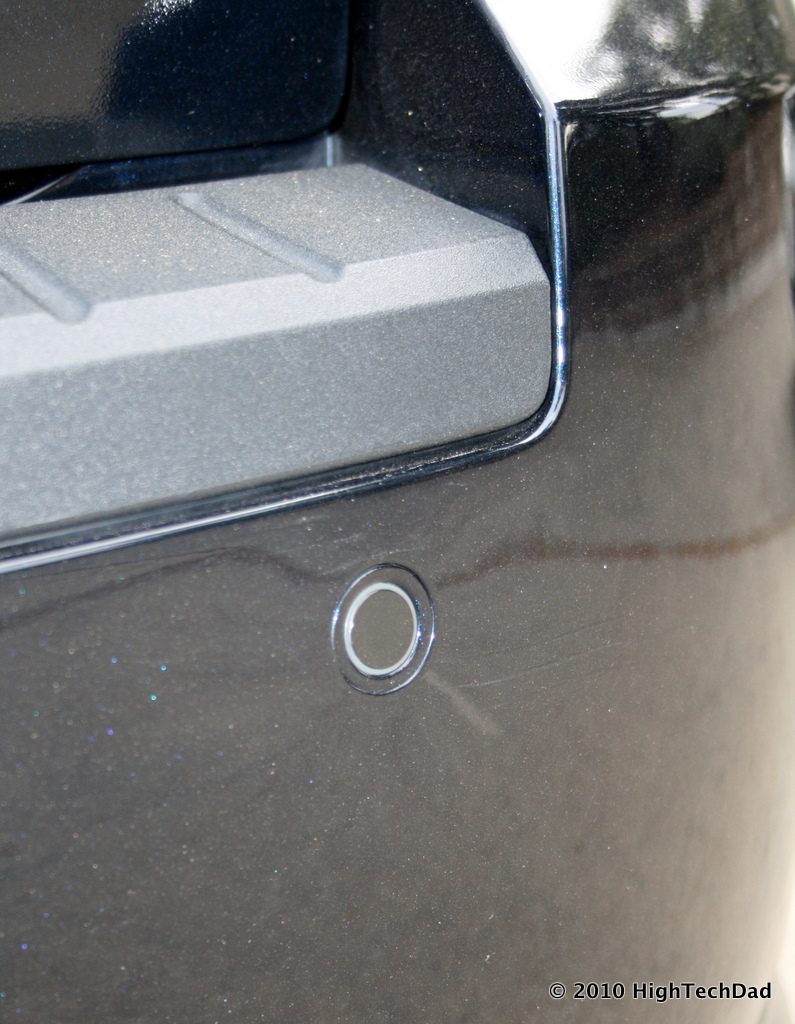 Sensors & Hardware
August 28, 2026
Sensors & Hardware
August 28, 2026
How Ultrasonic Sensors Work and Key Products — Bosch, Murata, Toyota ICS
An ultrasonic sensor measures a nearby obstacle's distance from the round-trip time of an ultrasonic pulse — the acoustic counterpart to LiDAR. It can see straight through what trips up optical sensors, transparent glass and black objects included, but its effective range tops out at a few meters. We work through bat-echolocation research, sonar's development in the First World War, the Bosch USS Gen 6's measured range, the Murata MA40S4S and MaxBotix modules that are staples of robotics, and the real-world example of Toyota's eight-sensor Intelligent Clearance Sonar — and how each of these changes what performance you actually get.
Fundamentals · 10 min Sensors & Hardware
August 22, 2026
Sensors & Hardware
August 22, 2026
How Radar Works and Key Products — Continental, Bosch, Honda SENSING
Millimeter-wave radar measures distance and relative velocity from the reflection of radio waves, making it the sensor most resistant to rain, fog, glare, and other adverse conditions that give optical sensors trouble. We work through how FMCW's beat frequency yields distance and velocity simultaneously, radar's technology lineage running back to Chain Home in the Second World War, Tesla's abandonment and later reinstatement of radar, the 4D imaging specs of the Continental ARS540, and the real-world example of Honda SENSING 360's five-radar 360-degree coverage — and how each of these changes the range/field-of-view/resolution trade-off.
Fundamentals · 9 min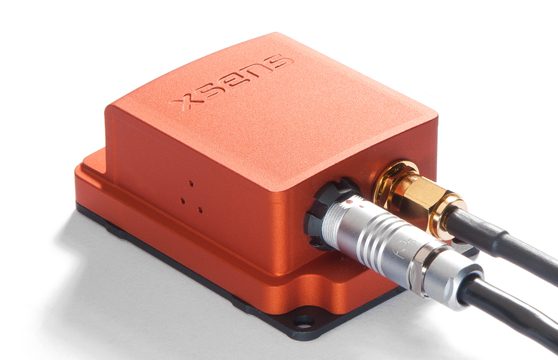 Sensors & Hardware
August 10, 2026
Sensors & Hardware
August 10, 2026
How IMUs Work and Key Products — Xsens, Bosch, Analog Devices
An IMU pairs an accelerometer with a gyroscope to directly sense a vehicle's own translational acceleration and rotational rate. Unlike cameras or LiDAR, it depends on nothing external — but that self-containment comes with an inescapable fate: error accumulates over time (drift). We work through the MEMS gyroscope principle, Allan-variance noise analysis, the grading scale from consumer chips to navigation-grade modules, and Xsens's MTi series product strategy.
Fundamentals · 10 min